Seasonal Pomegranate Orchard Checklist: What to Do Each Month
A pomegranate tree rewards attention given at the right moment. Miss the steady watering in late spring and you will see it in cracked fruit months later. Prune hard in the wrong week and you cut away the very spurs that carry next season's crop. The calendar below is close to the one we work to in our own orchard, adjusted each year for weather. Treat it as a frame rather than a rulebook: your soil, your varieties and your winter temperatures will all shift the dates by a week or three. The aim is not to fuss over the tree every day, but to be present for the few jobs that actually change the harvest: water at flowering and fruit fill, keep the canopy open, protect young bark from sun and frost, and pick before the autumn rains arrive.
Late Winter: January and February
This is the only season when you can read the whole shape of a tree. The leaves are gone, the fruit is eaten, and every branch is visible. It is also the season when a careless cut costs you a crop. Pomegranates fruit on short spurs carried on two-year-old wood and older, with the best fruit coming from strong new shoots that rise off those older limbs. Cut the framework back hard and you remove the wood that would have flowered in June.
What to cut, and what to leave
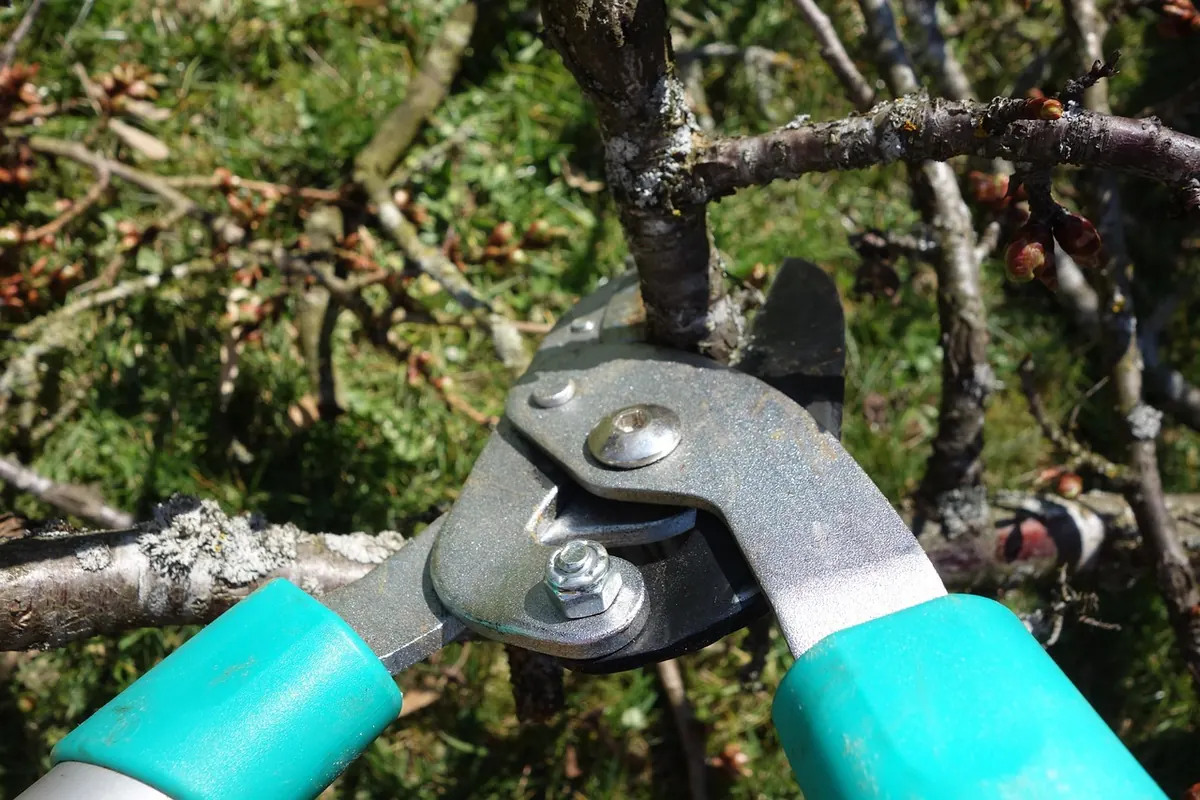
Start with the obvious: dead wood, storm damage, branches rubbing against each other, anything growing inward toward the center. Then take out suckers rising from the base and water sprouts shooting straight up through the middle of the canopy. On a mature bush, three to five main stems is plenty. Aim for a vase shape with light and air moving through it, because pomegranates flower and color best where sun reaches the wood. If you are training a young tree, choose the strongest stems early and remove the rest before they thicken; it is far easier to shape a young pomegranate than to correct an old one.
Leave the short fruiting spurs alone. If a branch is long and whip-like, tip it rather than removing it. In colder districts, wait until the hardest frosts have passed before you cut: a fresh wound followed by a sharp freeze invites dieback. Established trees handle winter cold to roughly minus ten degrees Celsius; young ones do not, so mulch and wrap them for their first two winters.
Young trees and cold snaps
Young pomegranates need a gentler hand than established bushes. Check that autumn-planted trees have not been lifted by frost, and firm them back gently if they have. Wrap the trunk with a breathable guard, keep a windbreak handy, and do not feed until growth actually begins. A thick mound of mulch pressed against the bark can do more harm than good; keep it a hand's width away from the trunk and let the soil breathe.
Spring: March through May
March is when the orchard wakes and, in most of Italy, when the year's feeding happens. Buds swell, the first soft shoots appear, and demand for nitrogen peaks, but only briefly. Too much now gives you a canopy of leaves and few flowers, plus a flush of aphids on the tenderest tips.
Feeding and mulching
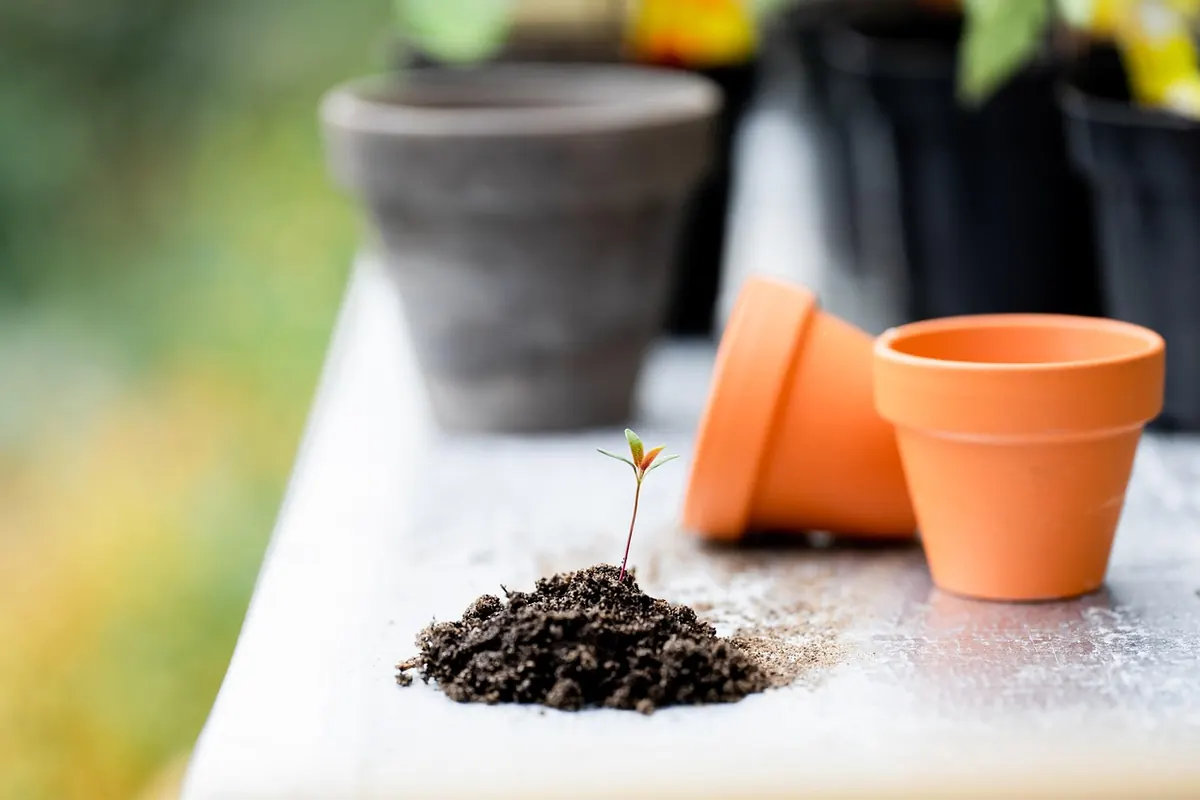
Apply a balanced granular fertilizer as growth starts, at the rate on the label rather than by guesswork, spread at the drip line and never heaped against the trunk. A few centimeters of well-rotted compost on top does as much as the bag does, and a straw or woodchip mulch over the root zone keeps moisture steady through the coming heat. Keep the mulch clear of the trunk itself. If you are planting new trees, early spring suits cold districts and autumn suits mild ones; set them at the depth they grew in the nursery and water them in properly. A tree that carried a heavy crop last year may need a little more feeding; a very vigorous young tree may need less. Keep lawn fertilizer away from the drip line, because a flush of soft growth is exactly what aphids want.
Weekly pest walks
Walk the rows from budbreak. Check the undersides of new leaves for aphids, older stems for scale, and growing tips for the curling and distortion that aphids leave behind. A strong jet of water and a little patience with predators deals with most early infestations. Save anything stronger for a real outbreak, and never spray while the tree is in flower. Take notes as you go: the same corner of the orchard tends to produce the same problem each year, and a short written record is worth more than a shelf of general advice.
Flowering and fruit set
Flowering stretches over several weeks in late spring, and not every bloom will set. Pomegranates produce both perfect flowers, which can fruit, and male flowers, which drop. A heavy fall of blossom in May is normal, not a failure. Hold water steady and stay out of the canopy with insecticides while pollinators are working. If cool, wet weather interrupts bloom, do not rush to compensate with extra feeding; wait for fruit to set and then judge the crop.
Summer: June through August
Once fruit has set, watering becomes the single most important job on the list. Pomegranates are tough and drought tolerant, which is not the same as thriving on neglect. Deep soakings once a week in hot weather, or a drip line running long enough to wet the soil thirty to forty centimeters down, give you bigger fruit and fewer splits than daily sprinkles. Irregular watering — dry for two weeks, then flooded — is exactly what makes fruit crack open just before harvest.
Heat and borers
Inland heat can scorch exposed fruit and bark. Whitewash the trunk and main limbs, keep a decent canopy for shade, and don't strip leaves. Sunburn shows first as pale, papery patches on fruit that faces the afternoon sun. From midsummer, watch for the pomegranate butterfly, whose larvae bore in at the calyx and ruin the fruit from inside. Bagging individual fruits in mesh or paper sleeves is a reliable, chemical-free defense for a small orchard; pheromone traps help you time any spray in a larger one. Ask your local extension service which products are approved where you farm.
If the set is very heavy, thin it: remove small, damaged or crowded fruit so the rest can size up. And keep an eye on the calendar, not just the thermometer — fruit that ripens in a dry August with even moisture will store far better than fruit that swelled after a September downpour.
Watering through the fruit-fill period
This is where many orchards lose their crop. A drip line on a timer is only as good as the emitters are; check them by hand once a week and clear any that have clogged. Push a finger or a small trowel into the soil under the canopy before adding more water. If the soil is cool and damp a few centimeters down, wait. If it is dry well below the surface, soak slowly and thoroughly. Do not cultivate deeply near the roots, and do not rely on a quick evening sprinkle to undo a week of heat.
Autumn: September and October
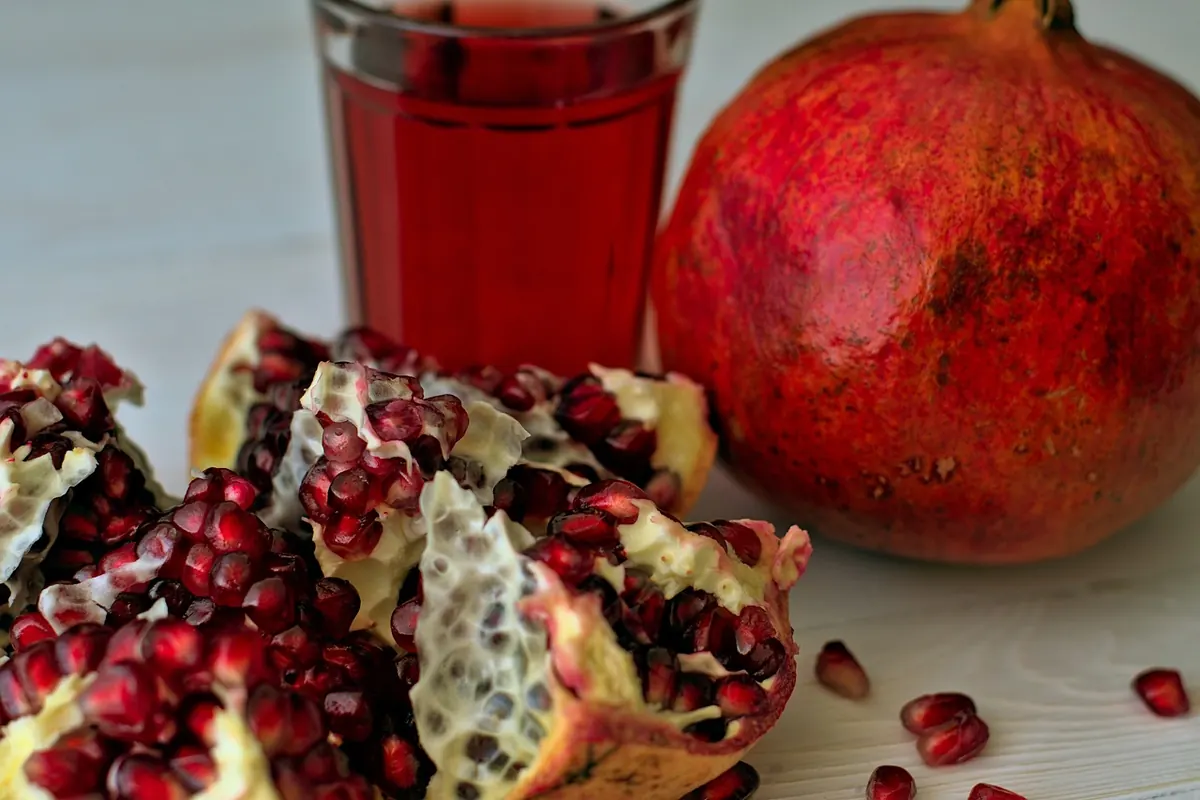
Ripeness is judged by several signs together, never by color alone. The rind deepens and turns from glossy to slightly leathery. The fruit feels heavier than it looks and sounds faintly metallic when you tap it. A ripe pomegranate is also a little angular rather than perfectly round, because the arils inside are pressing outward. Pick one, open it, taste it. That tells you more than any chart. Color varies by variety, so learn your own trees rather than waiting for a particular shade of red.
Ease off nitrogen from late summer onward and begin tapering water as the fruit ripens. A little stress near harvest can concentrate sugars, but a sudden soaking after weeks of dry weather is the classic cause of split fruit. Pick in the cool of the morning, cut the fruit from the branch with a short stem rather than pulling, and handle it as if it were a small, brittle basket.
Harvest and storage
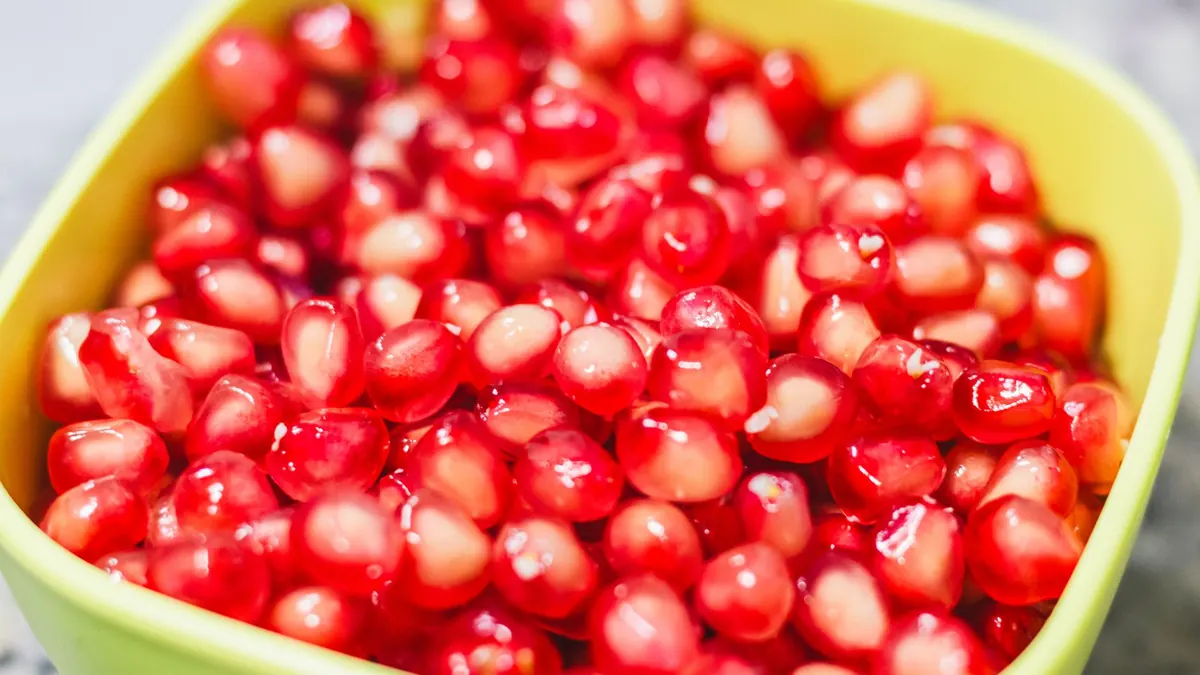
Store whole fruit in a cool, dark, dry room and check it weekly. Do not wash before storage; wipe off dust with a dry cloth and keep the fruit in a single layer so air can move around it. Refrigeration extends the season for sound fruit, but cracked or split pomegranates should be used first and never stored with the rest. A good crop will keep for weeks, sometimes longer, if you remove any softening fruit promptly. Juice what you cannot eat, or freeze the arils on a tray before bagging them.
Early Winter: November and December
After leaf fall and the last fruit, the orchard goes quiet, but this is not a do-nothing season. This is the time for repairs, cleanup and planning, not for radical pruning. Wet, cold wounds heal slowly, so leave major cuts until late winter unless a branch is broken or dangerous.
Cleanup, repairs and planning
Rake fallen leaves, remove mummified fruit and clear debris from around the trunks. Clean and oil your tools, sharpen the pruners, check stakes and ties, and repair irrigation lines before frost. Order bare-root trees for late winter planting, and note which varieties split, which stored well and which corner of the orchard underperformed. A soil test every few years is cheap compared with a season of guesswork. Spread compost if the ground is not frozen, but keep it away from the trunk and let winter rain carry it into the root zone.
A Month-by-Month Quick Reference
- January–February: Prune dead, damaged and crossing wood; remove suckers and water sprouts; leave fruiting spurs; protect young trunks from frost; order trees and repair tools.
- March: Feed as growth begins; mulch the root zone; plant new trees in cold districts; start weekly pest walks.
- April: Watch aphids and scale; keep water steady; avoid insecticides during bloom; note flower drop without panic.
- May: Finish spring planting in mild districts; maintain even moisture; check pollinators and remove weeds around young trees.
- June: Deep-soak once a week in hot weather; whitewash exposed trunks; watch for pomegranate butterfly damage.
- July: Thin heavy fruit set; bag fruit in a small orchard; check drip emitters and mulch depth.
- August: Keep moisture even through fruit fill; protect against sunburn; taste early fruit to learn your ripening window.
- September: Begin tapering water as fruit ripens; harvest by color, weight, sound and taste; use split fruit first.
- October: Finish harvest before heavy rain; store sound fruit in a cool, dry room; clean up fallen fruit.
- November: Rake leaves, repair irrigation, clean tools, and plan next year's planting.
- December: Check stored fruit; protect young trees from frost; read your notes and order bare-root stock.
Use the calendar to remember the sequence, not to override the tree. A pomegranate that is watered evenly, pruned lightly and harvested by taste will forgive almost everything else.
Photo: blickpixel / Pixabay